effective e-waste management systems matter for everyone today
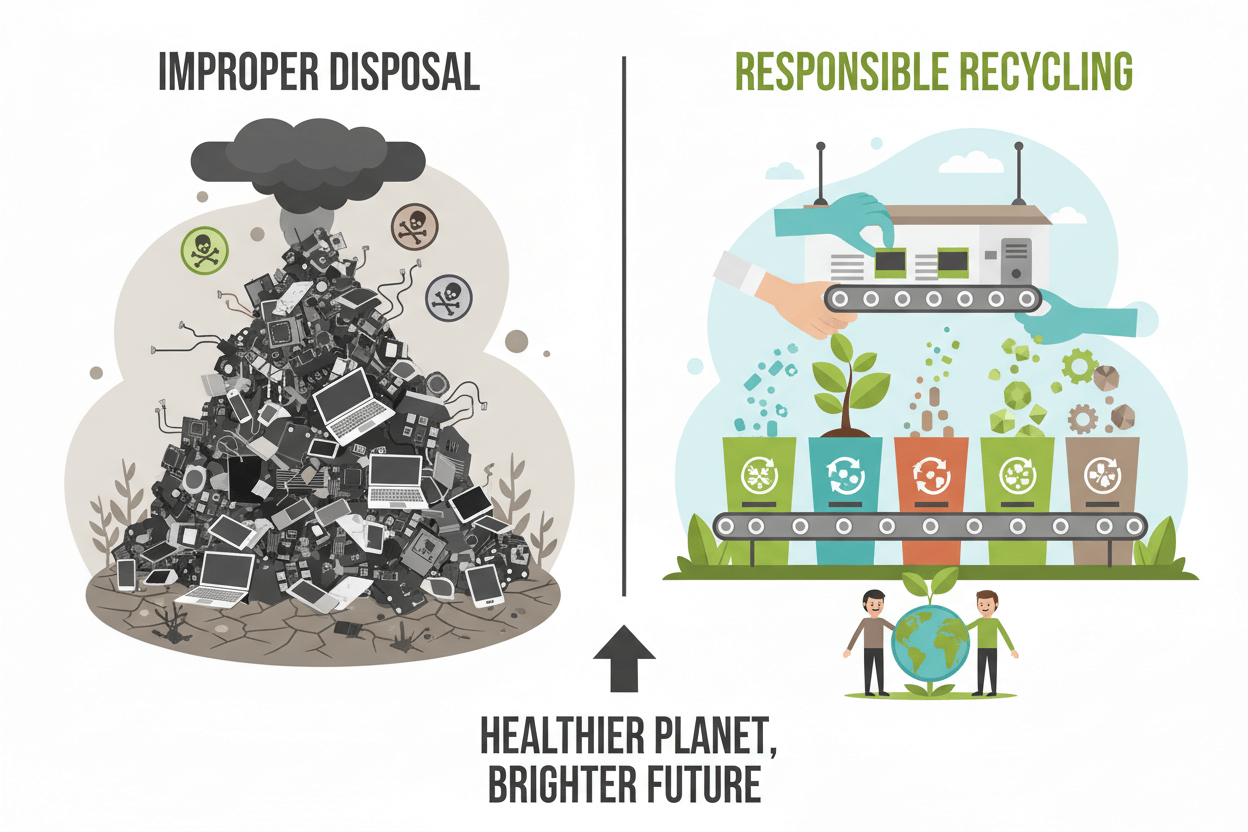
Introduction : effective e-waste management
In today’s hyper-digital world, electronic gadgets like mobiles, laptops, watches, iPads, and iPhones have become inseparable from daily life. From communication and productivity to entertainment and health tracking, every aspect of modern living depends heavily on technology. But with rapid upgrades, shorter device lifecycles, and frequent product launches, e-waste has quietly become one of the fastest-growing waste streams globally. As millions of devices are disposed of every year, the question is no longer whether e-waste is a problem—it is how effectively we manage it. This is where effective e-waste management systems play a crucial role. They ensure safe disposal, reduce environmental damage, recover valuable materials, and prevent health hazards affecting communities worldwide. This blog explores why these systems matter deeply for everyone and why urgent action is needed today.
Understanding What E-Waste Really Is
E-waste refers to discarded electronic devices—including mobiles, laptops, smartwatches, iPads, iPhones, chargers, batteries, cables, and other accessories. These items contain plastics, metals, toxic chemicals, and precious materials that must be processed carefully.
Common components of e-waste include:
Lead, mercury, cadmium
Lithium-ion batteries
Printed circuit boards
Rare earth metals
Plastics and composites
When these materials are not handled properly, they damage soil, water bodies, and air quality, affecting both ecosystems and human health. This makes responsible management crucial.
Why E-Waste Is Increasing Rapidly
Several factors have led to an alarming rise in global e-waste levels:
1. Shorter Device Lifecycles
Manufacturers release new models of mobiles, laptops, iPhones, and smartwatches every year, tempting users to upgrade frequently.
2. Declining Repair Culture
Instead of repairing gadgets, most consumers replace them due to high repair costs or limited spare parts availability.
3. Growing Digital Dependence
Work-from-home setups, online learning, wearable tech, and high-tech entertainment systems increase electronic consumption.
4. Fast-Paced Tech Innovation
New features such as 5G, better cameras, AI processors, and fitness tracking accelerate device obsolescence.
5. Lack of Awareness
Many users don’t know how or where to recycle old gadgets properly.
Protecting Soil from Heavy Metal Contamination
Improper disposal of mobiles, laptops, watches, iPads, and iPhones causes hazardous substances to seep into soil. Devices contain toxic materials such as:
Lead
Cadmium
Beryllium
Mercury
When dumped in landfills, these chemicals mix with soil, reducing fertility and harming plant growth. In agricultural countries like India, this can impact food quality and crop yield. Proper e-waste systems ensure safe segregation, treatment, and disposal, preventing soil toxicity and long-term ecological damage.
Preventing Water Pollution and Groundwater Contamination
Many e-waste landfills are located near communities. When devices break down, chemicals like lithium, flame retardants, and microplastics dissolve into water bodies.
Effects include:
Contamination of drinking water
Damage to aquatic life
High toxin exposure in communities relying on groundwater
Long-term health risks such as kidney damage and development disorders
Recycling facilities treat and isolate hazardous components, protecting rivers, lakes, and groundwater reserves.
Reducing Air Pollution Caused by Burning Electronics
In several regions, discarded devices are openly burned to extract copper, gold, and aluminum. This releases extremely toxic fumes containing:
Dioxins
Furans
Toxic smoke
Particulate matter
Inhalation causes respiratory diseases, cancer risks, and lung infections. Proper e-waste systems eliminate unsafe burning practices, ensuring environmentally safe recovery of metals through scientific methods.
Recovering Valuable Materials and Reducing Mining Pressure
Electronics contain valuable materials like:
Gold
Silver
Platinum
Palladium
Copper
Rare earth metals
Mining these materials requires energy, land, and high environmental cost. But recycling mobiles, laptops, watches, iPads, and iPhones helps recover them efficiently.
Advantages:
Reduces the need for harmful mining activities
Supports a circular economy
Lowers production costs
Conserves natural resources
Effective systems transform waste into opportunity.
Preventing Toxic Exposure to Informal Workers
In many developing countries, e-waste is handled by informal recyclers who work without safety equipment. They break open devices using hands, heat, and crude tools. As a result, they inhale toxic fumes, handle sharp components, and suffer long-term exposure to harmful substances.
Organized e-waste facilities ensure worker safety through:
Protective gear
Ventilated recycling rooms
Scientific extraction technology
Regulated disposal methods
This protects vulnerable workers from preventable health hazards.
Reducing the Global Carbon Footprint
Manufacturing new electronics requires massive amounts of energy. For example:
Producing one smartphone emits 55–95 kg of CO₂
A single laptop uses up vast mining resources
Lithium-ion battery production alone accounts for millions of tons of CO₂ annually
Recycling saves energy, reduces emissions, and lowers the overall carbon footprint of the tech industry.
Encouraging Responsible Consumer Behaviour
Effective e-waste systems help spread awareness about:
Recycling old gadgets
Choosing durable electronics
Repairing instead of replacing
Donating functional devices
Using certified recycling centres
When consumers understand the impact, they begin to make environmentally responsible decisions.
Enabling Safe Disposal of Batteries and Chargers
Batteries from mobiles, iPhones, iPads, laptops, and smartwatches can explode or leak toxic chemicals if thrown in household waste.
Proper systems ensure:
Battery segregation
Safe discharge
Chemical neutralization
Lithium recovery
Hazard-free recycling
This prevents fires, environmental damage, and toxic exposure.
Supporting a Circular Economy
The circular economy promotes reuse, repair, refurbishing, and recycling.
Effective e-waste systems extend product lifespan through:
Refurbished phones
Certified second-hand laptops
Repaired smartwatches
Recycled iPad and iPhone parts
This reduces waste, encourages sustainability, and reduces manufacturing pressure.
Protecting Future Generations
If e-waste continues rising unchecked, children will be most affected due to their long-term exposure to polluted soil, water, and air. Efficient and effective systems help build a safer, cleaner, healthier future.
How Everyone Can Contribute to Better E-Waste Management
1. Donate working devices
Pass on old mobiles, laptops, or watches instead of throwing them away.
2. Choose repair options
Repair screens, batteries, and internal components to extend device life.
3. Use official recycling programs
Brands like Apple, Samsung, Dell, Lenovo, and HP offer recycling programs.
4. Avoid throwing electronics in household waste
Always segregate electronics from other trash.
5. Support eco-friendly brands
Choose companies that use recyclable materials and sustainable packaging.
Role of Governments and Organisations
Governments around the world now enforce e-waste rules such as:
Extended Producer Responsibility (EPR)
Mandatory recycling targets
Tracking and monitoring systems
Licensing of recycling plants
Companies also play a major role by offering:
Take-back programs
Trade-in systems
Refurbished device options
Eco-friendly product designs
Together, these systems build a strong framework for responsible e-waste management.
Conclusion
Electronic gadgets like mobiles, laptops, watches, iPads, and iPhones have improved modern living—but they also create massive amounts of e-waste when discarded irresponsibly. Effective e-waste management systems are not just desirable; they are essential. They protect the environment, reduce pollution, recover valuable materials, protect workers, and conserve natural resources. As technology continues to evolve, our responsibility to manage electronic waste grows even stronger. By adopting smart recycling habits, supporting certified e-waste facilities, and making sustainable choices, every individual can contribute to a cleaner, greener, and healthier planet. The future of the Earth depends on how responsibly we handle the gadgets we use today.
FAQs
Q.1. What items are considered e-waste?
Anything electronic—mobiles, laptops, watches, iPads, iPhones, chargers, batteries, and accessories.
Q.2. Why should I recycle old devices?
Recycling prevents soil, water, and air pollution and recovers valuable metals.
Q.3. Can e-waste be harmful to health?
Yes. It contains toxic chemicals like lead, mercury, and cadmium that can cause diseases.
Q.4. How can I dispose of e-waste safely?
Use certified recycling centres, company take-back programs, or government-approved facilities.
Q.5. Is repairing a device better than replacing it?
Yes. Repairing extends the device’s life, reduces waste, and is more eco-friendly.