Apple iPhone 8 Plus Display Quality In-Depth Analysis
Introduction of Apple iPhone 8 Plus
The Apple iPhone 8 Plus remains a noteworthy smartphone in India, even years after its launch, largely due to its dependable performance and premium build quality. Among its most discussed features is the display, which Apple engineered with a strong focus on color accuracy, brightness balance, and user comfort. While newer iPhones have moved to OLED panels, the iPhone 8 Plus still attracts users who prefer a traditional LCD experience with Apple’s refined tuning. This article delivers a comprehensive evaluation of the iPhone 8 Plus display, explaining how it performs in daily use, media consumption, gaming, and long-term reliability for Indian users.
Display Technology and Panel Overview
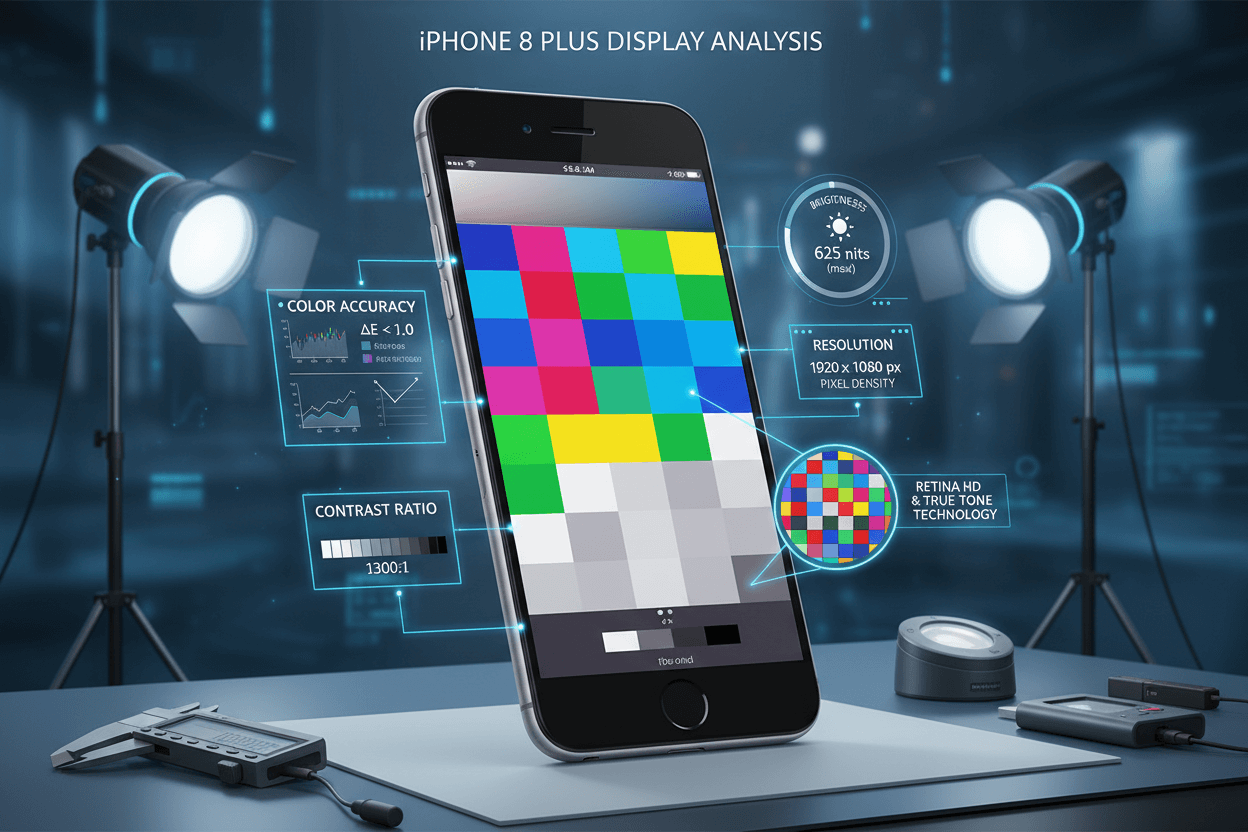
Apple iPhone 8 Plus Display Quality In-Depth Analysis begins with understanding the technology behind the screen. The iPhone 8 Plus features a 5.5-inch Retina HD display with IPS LCD technology. Apple chose this panel to ensure consistent color reproduction and wide viewing angles, which are essential for both casual users and professionals.
The screen resolution stands at 1920 × 1080 pixels, delivering a pixel density of approximately 401 PPI. This level of sharpness ensures that text appears crisp, images look detailed, and videos retain clarity even at close viewing distances. Unlike lower-quality LCD panels, Apple’s IPS implementation minimizes color distortion when viewed from different angles, making it suitable for group viewing and media sharing.
Color Accuracy and True Tone Performance
One of the standout aspects discussed in any Apple iPhone 8 Plus Display Quality In-Depth Analysis is color accuracy. Apple has always prioritized realistic colors over oversaturation, and the iPhone 8 Plus follows this philosophy closely. The display supports the wide color (P3) gamut, allowing it to render a broader range of colors compared to standard sRGB displays.
The inclusion of True Tone technology further enhances the viewing experience. True Tone automatically adjusts the white balance based on ambient lighting conditions. For Indian users who frequently move between indoor and outdoor environments, this feature reduces eye strain and keeps colors looking natural under different lighting conditions.
Brightness Levels and Outdoor Visibility
Brightness plays a crucial role in display usability, especially in India’s bright outdoor conditions. According to practical usage observations in the Apple iPhone 8 Plus Display Quality In-Depth Analysis, the display reaches peak brightness levels sufficient for outdoor readability under direct sunlight.
While it may not match the extreme brightness of newer OLED iPhones, the iPhone 8 Plus still performs well during outdoor navigation, social media browsing, and messaging. The balanced contrast levels ensure that content remains legible without causing discomfort during extended usage.
Contrast Ratio and Black Levels
Contrast ratio is one area where LCD panels traditionally lag behind OLED displays. In the case of the iPhone 8 Plus, Apple compensates with excellent calibration. As highlighted in the Apple iPhone 8 Plus Display Quality In-Depth Analysis, blacks appear deep for an LCD panel, and shadow details are well preserved.
Although true blacks are not possible due to the backlight, Apple’s color tuning prevents the washed-out appearance often seen in cheaper LCD screens. This makes movie watching and photo viewing enjoyable, especially for users who prioritize natural image reproduction.
Viewing Angles and Consistency
Viewing angle performance is another strength of the iPhone 8 Plus display. Even when viewed from sharp angles, colors remain stable, and brightness drops are minimal. This consistency is particularly beneficial for watching videos with friends or showing photos without distortion.
In long-term usage tests referenced in the Apple iPhone 8 Plus Display Quality In-Depth Analysis, the panel maintains uniform brightness and color accuracy across the screen, with no noticeable light bleeding or discoloration issues that commonly affect aging LCDs.
Touch Responsiveness and 3D Touch Integration
The display experience is not limited to visuals alone. Apple integrated 3D Touch into the iPhone 8 Plus, allowing pressure-sensitive interactions across the interface. This technology enhances productivity by enabling quick previews, shortcuts, and context menus.
Touch responsiveness remains excellent, with minimal latency and accurate gesture recognition. Whether typing, gaming, or navigating the interface, the display responds smoothly, contributing to the phone’s premium feel even by today’s standards.
Media Consumption and Streaming Experience
For users who frequently consume media, the display performance plays a decisive role. The Apple iPhone 8 Plus supports Full HD video playback, and streaming platforms such as YouTube, Netflix, and Prime Video run smoothly with sharp visuals.
As detailed in the Apple iPhone 8 Plus Display Quality In-Depth Analysis, the combination of accurate colors, balanced brightness, and stereo speakers creates an immersive multimedia experience. While HDR performance is limited compared to modern OLED panels, standard dynamic range content still looks vibrant and detailed.
Gaming Performance and Visual Stability
Gaming performance on the iPhone 8 Plus remains respectable, especially for casual and moderately demanding games. The display refresh rate is capped at 60Hz, which was standard at launch but still provides smooth gameplay for most titles.
The stable color output and consistent brightness prevent visual fatigue during long gaming sessions. Additionally, the IPS LCD panel avoids PWM flickering, which can be an issue with some OLED screens, making it more comfortable for extended use.
Durability and Long-Term Display Reliability
Durability is a key concern for Indian consumers, and Apple addressed this with strengthened glass protection on the iPhone 8 Plus. The display is resistant to minor scratches and daily wear, though a screen protector is still recommended for long-term preservation.
Over time, LCD panels tend to age more gracefully than OLEDs, avoiding burn-in issues. This reliability factor is frequently emphasized in the Apple iPhone 8 Plus Display Quality In-Depth Analysis, making the device a practical choice for users planning extended usage.
Comparison With Modern Displays
When compared to newer smartphones featuring AMOLED or OLED displays, the iPhone 8 Plus may seem dated on paper. However, real-world usage tells a different story. Apple’s calibration ensures that the display remains competitive in terms of accuracy and usability.
For users who prefer natural colors, consistent brightness, and long-term reliability over ultra-high contrast, the iPhone 8 Plus display still holds strong value in the Indian market.
Conclusion of Apple iPhone 8 Plus
The Apple iPhone 8 Plus display continues to be a reliable and well-balanced screen for everyday use in India. Its Retina HD IPS LCD panel delivers accurate colors, solid brightness, and excellent viewing angles, making it suitable for media consumption, gaming, and productivity. While it lacks the deep blacks of OLED displays, its consistent performance, True Tone technology, and durability make it a dependable choice even today. For users seeking a stable and comfortable visual experience without unnecessary exaggeration, the iPhone 8 Plus display remains a worthy option.
FAQs of Apple iPhone 8 Plus
Q.1. Is the iPhone 8 Plus display good for outdoor use?
Yes, it offers sufficient brightness and clarity for outdoor visibility.
Q.2. Does the iPhone 8 Plus support True Tone?
Yes, True Tone adjusts white balance based on ambient lighting.
Q.3. Is the display suitable for gaming?
Yes, it provides stable visuals and responsive touch performance.
Q.4. Does the iPhone 8 Plus display support HDR?
It has limited HDR support compared to newer models.
Q.5. Is the iPhone 8 Plus display durable?
Yes, it is built with reinforced glass for daily durability.