E-Waste Myths Broken By Refurbished Tech Facts
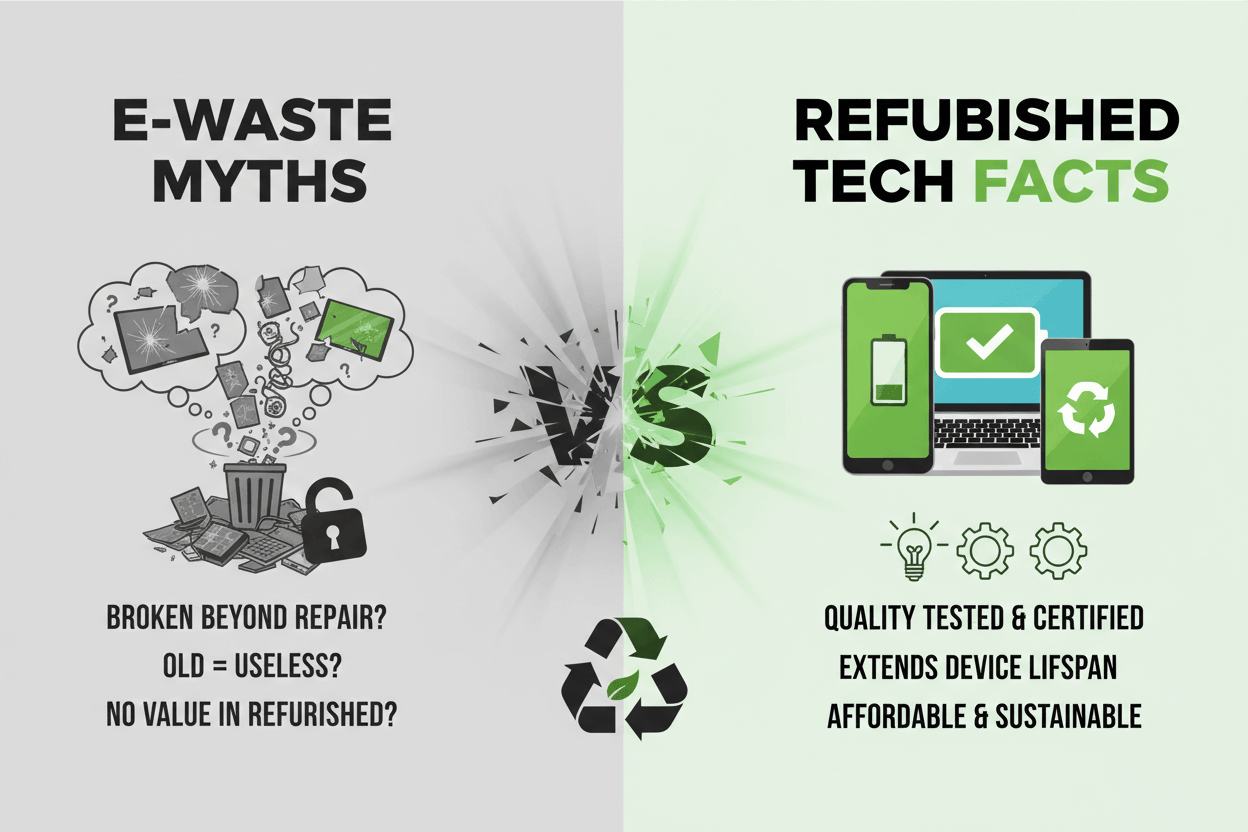
Introduction
Electronic waste is growing at an alarming rate across the globe, creating serious environmental challenges. Many consumers are unaware of how their buying habits contribute to this issue, especially when upgrading devices frequently. At the same time, refurbished technology is gaining popularity as a sustainable and cost-effective alternative. However, misconceptions still prevent many people from embracing it. This blog explores how common myths around e-waste are misleading and reveals the real facts behind refurbished tech, helping you make smarter and more eco-friendly choices.
Understanding the E-Waste Problem
E-waste includes discarded electronic devices such as smartphones, laptops, televisions, and accessories. Millions of tons of electronic waste are generated every year, and improper disposal leads to harmful environmental effects. Toxic materials like lead and mercury can contaminate soil and water, posing risks to both human health and ecosystems.
Many consumers assume recycling alone is enough to solve the problem. While recycling helps, it is not always efficient or accessible everywhere. A large percentage of e-waste still ends up in landfills. This is where refurbished technology plays a crucial role by extending the life cycle of devices and reducing overall waste generation.
Refurbished Tech Means Poor Quality
One of the biggest misconceptions is that refurbished devices are unreliable or low quality. In reality, refurbished products go through rigorous testing, repair, and quality checks before being resold. These devices are often restored to near-new condition by professionals.
The truth is that refurbished tech can perform just as well as new devices. Many products are returned due to minor issues or simply because customers changed their minds. After refurbishment, they meet strict standards, making them a dependable option for buyers.
Refurbished Devices Have Short Lifespans
Another common belief is that refurbished electronics do not last long. This myth discourages people from considering them as a viable option. However, the lifespan of any device depends largely on how it is used and maintained.
Refurbished devices often have faulty components replaced, which can actually improve their durability. In many cases, they undergo more thorough inspection than brand-new devices. As a result, they can offer excellent performance and longevity when used properly.
Buying New is Better for Technology Advancement
Some people think purchasing new devices supports innovation and technological progress. While this is partially true, constantly replacing devices contributes significantly to e-waste. Manufacturers already innovate regardless of individual purchase cycles.
Choosing refurbished tech does not hinder innovation. Instead, it promotes a more balanced approach by reducing unnecessary consumption. Consumers can still enjoy modern features without contributing to excessive waste.
Refurbished Tech Lacks Warranty and Support
Many buyers worry that refurbished products come without warranties or customer support. This is not always the case. Reputable sellers often provide warranties, return policies, and after-sales services.
These protections give buyers confidence and ensure that they are not taking unnecessary risks. In fact, some refurbished products offer similar warranty coverage as new ones, making them a safe investment.
Refurbished Tech is Not Environmentally Impactful
A surprising myth is that refurbished devices do not significantly help the environment. In reality, extending the life of electronics reduces the demand for new manufacturing, which in turn conserves natural resources and energy.
Producing new devices requires mining, water usage, and energy consumption. By choosing refurbished tech, consumers directly reduce their carbon footprint. This makes it one of the most effective ways to combat e-waste on an individual level.
Key Facts About Refurbished Technology
Refurbished technology is not just about affordability; it is about sustainability and smart consumption. These devices are inspected, repaired, and certified to ensure quality performance. Buyers can access high-end gadgets at lower prices while contributing to environmental conservation.
Another important fact is that refurbished tech supports the circular economy. Instead of discarding products after short use, they are reused and reintroduced into the market. This reduces waste and maximizes the value of existing resources.
Why Refurbished Tech is the Future
As awareness about environmental issues grows, more consumers are turning towards sustainable alternatives. Refurbished technology aligns perfectly with this shift. It offers a practical solution to reduce e-waste while meeting modern technological needs.
Governments and organizations worldwide are also promoting responsible consumption. Refurbished tech is becoming more accessible and trusted, making it a key part of the future of electronics.
Conclusion
E-waste is a serious global concern, but it can be addressed through informed choices. Many myths surrounding refurbished technology prevent people from realizing its true potential. By breaking these misconceptions, it becomes clear that refurbished tech is reliable, durable, and environmentally beneficial.
Choosing refurbished devices is not just about saving money—it is about making a responsible decision for the planet. By extending the life of electronics and reducing waste, consumers can play a vital role in creating a more sustainable future.
FAQs
Q.1. What is e-waste?
E-waste refers to discarded electronic devices such as phones, laptops, and TVs that are no longer in use.
Q.2. Are refurbished devices reliable?
Yes, refurbished devices undergo testing and repairs to ensure they meet quality standards.
Q.3. Do refurbished products come with warranties?
Many reputable sellers offer warranties and return policies on refurbished electronics.
Q.4. How does refurbished tech help the environment?
It reduces the need for new manufacturing, conserving resources and minimizing waste.
Q.5. Is buying refurbished tech cost-effective?
Yes, refurbished devices are typically more affordable while offering similar performance to new products.