

Recycling Solutions For Long-Term Environmental And Economic Benefits
- Posted by Shweta Sharma
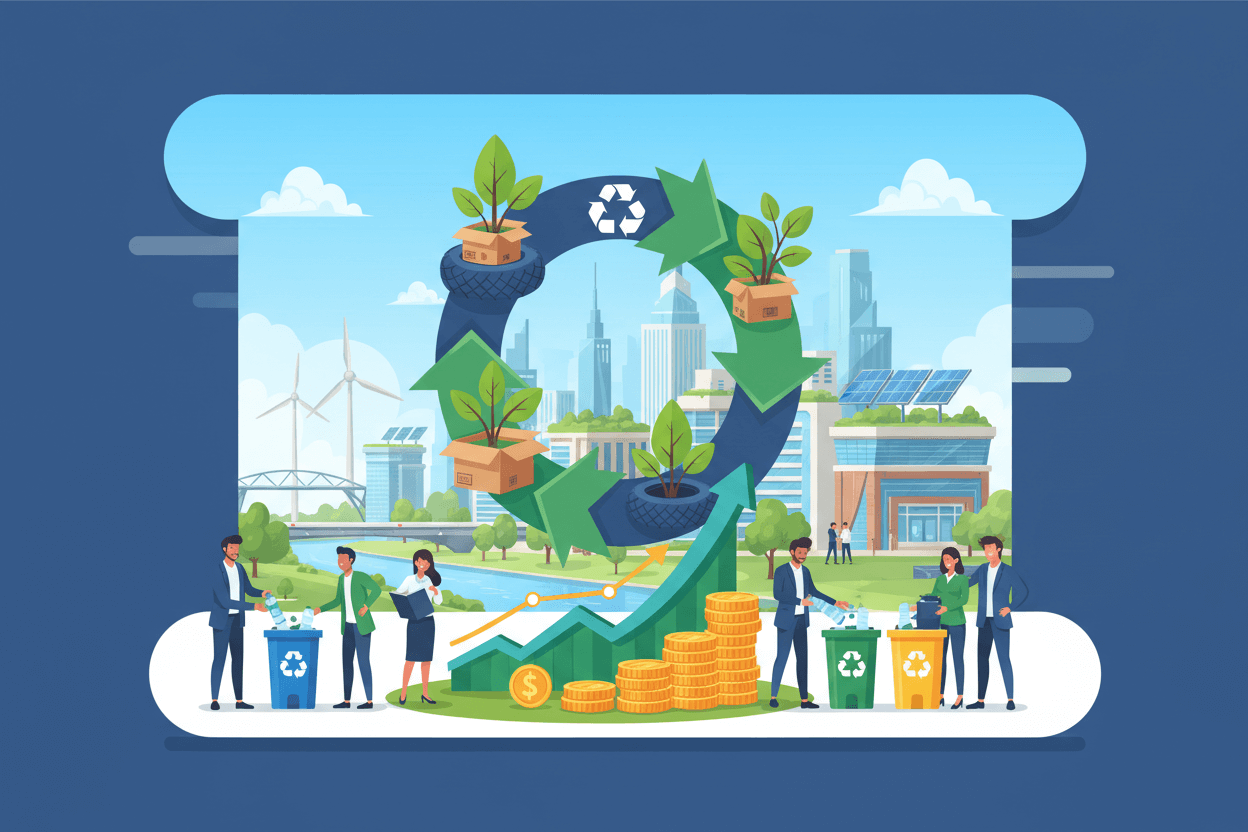
Introduction: Recycling Solutions
The rapid growth of technology has transformed the way we live, work, and communicate. Laptops, mobiles, tablets, and smart devices have become essential parts of modern life. However, this digital revolution has also created a serious challenge: electronic waste (e-waste). According to global estimates, millions of tons of e-waste are generated every year, making it one of the fastest-growing waste streams in the world. Improper disposal of laptops, mobiles, and other electronic products releases hazardous substances into the environment, harming soil, water, air, and human health.
Green recycling solutions offer a sustainable way forward. By adopting environmentally responsible recycling methods, societies can reduce pollution, conserve natural resources, create jobs, and unlock long-term economic benefits. This blog explores green recycling solutions for laptops, mobiles, and e-waste, highlighting how they contribute to both environmental protection and economic growth.
Understanding E-Waste and Its Impact
E-waste includes discarded electronic devices such as laptops, smartphones, desktops, chargers, batteries, circuit boards, and accessories. These products contain a mix of valuable materials—gold, silver, copper, aluminum—and harmful substances like lead, mercury, cadmium, and brominated flame retardants.
When e-waste is dumped in landfills or burned in open areas, toxic chemicals seep into the soil and groundwater or release poisonous fumes into the air. Over time, this contamination affects agriculture, drinking water, wildlife, and public health. Informal recycling practices, often involving unsafe dismantling and acid leaching, expose workers to severe health risks.
Green recycling solutions focus on minimizing these impacts by using safe, regulated, and resource-efficient methods for collecting, processing, and reusing electronic waste.
What Are Green Recycling Solutions?
Green recycling solutions refer to environmentally friendly practices that aim to reduce waste, recover valuable materials, and ensure safe disposal of hazardous components. These solutions emphasize the principles of reduce, reuse, repair, refurbish, and recycle.
For laptops and mobiles, green recycling involves:
Designing products for longer life and easier disassembly
Encouraging repair and refurbishment instead of replacement
Using certified recycling facilities with eco-friendly technologies
Recovering precious metals while minimizing energy use and emissions
By adopting these solutions, manufacturers, consumers, and governments can work together to build a circular economy where electronic products are reused and recycled responsibly.
Green Recycling Solutions for Laptops
Laptops are complex devices containing metals, plastics, glass, and batteries. Green recycling solutions for laptops focus on maximizing material recovery while reducing environmental harm.
Refurbishment and Reuse
Before recycling, laptops should be assessed for reuse. Many discarded laptops still function or require minor repairs. Refurbishment extends product life, reduces demand for new devices, and lowers carbon emissions associated with manufacturing. Refurbished laptops also support digital inclusion by making technology affordable for students and small businesses.
Eco-Friendly Dismantling
Certified recycling facilities use advanced dismantling techniques to separate components safely. Hazardous parts like lithium-ion batteries are handled with care, preventing fires and toxic leaks.
Material Recovery
Green recycling recovers valuable materials such as copper, aluminum, and rare earth metals. Advanced processes reduce chemical use and energy consumption, making laptop recycling more sustainable and economically viable.
Green Recycling Solutions for Mobiles
Mobile phones are among the most frequently replaced electronic devices. Despite their small size, they contain high concentrations of precious metals, making them ideal candidates for green recycling.
Take-Back and Collection Programs
Manufacturer and retailer take-back programs encourage consumers to return old mobiles instead of discarding them. These programs play a crucial role in increasing recycling rates and ensuring proper processing.
Modular Design and Repairability
Green recycling begins at the design stage. Mobiles designed with modular components are easier to repair and upgrade, reducing e-waste generation.
Precious Metal Recovery
Eco-friendly recycling technologies extract gold, silver, and palladium from mobile circuit boards with minimal environmental impact. This reduces the need for mining, which is energy-intensive and environmentally damaging.
Sustainable E-Waste Recycling Technologies
Modern green recycling solutions rely on innovative technologies that improve efficiency and reduce pollution.
Mechanical Recycling
This process involves shredding and separating materials using magnets, eddy currents, and optical sorting. It minimizes chemical use and allows efficient recovery of metals and plastics.
Hydrometallurgical Processes
These use environmentally safer solutions to extract metals from e-waste. Compared to traditional methods, they reduce toxic emissions and energy consumption.
Bio-Leaching
An emerging green technology, bio-leaching uses microorganisms to extract metals from e-waste. It is low-energy, eco-friendly, and holds great potential for future recycling systems.
Environmental Benefits of Green Recycling Solutions
Green recycling solutions deliver significant environmental advantages:
Reduced Pollution: Proper recycling prevents toxic substances from contaminating soil, water, and air.
Resource Conservation: Recovering metals reduces the need for mining, preserving natural ecosystems.
Lower Carbon Emissions: Recycling and refurbishing consume less energy than manufacturing new products.
Waste Reduction: Diverting e-waste from landfills extends landfill life and reduces environmental burden.
These benefits collectively support long-term environmental sustainability and climate protection.
Economic Benefits of Green Recycling Solutions
Beyond environmental protection, green recycling solutions offer strong economic advantages:
Job Creation
The e-waste recycling sector creates employment in collection, refurbishment, logistics, and processing. Green jobs contribute to inclusive economic growth.
Cost Savings
Reusing materials lowers production costs for manufacturers. Consumers benefit from affordable refurbished laptops and mobiles.
Resource Security
Recovering critical metals reduces dependence on imported raw materials, strengthening economic resilience.
Business Opportunities
The growth of green recycling opens doors for startups, recycling firms, and innovation in sustainable technologies.
Role of Consumers in Green Recycling
Consumers play a vital role in making green recycling solutions successful. Simple actions can make a big difference:
Avoid frequent upgrades and choose durable devices
Repair devices instead of replacing them
Donate or sell old laptops and mobiles
Use authorized e-waste recycling centers
Support brands committed to sustainability
Responsible consumer behavior drives demand for green solutions and encourages manufacturers to adopt eco-friendly practices.
Corporate Responsibility
Strong policies and corporate responsibility are essential for scaling green recycling solutions. Governments can enforce e-waste regulations, support recycling infrastructure, and promote awareness campaigns. Extended Producer Responsibility (EPR) policies ensure manufacturers take responsibility for end-of-life product management.
Corporations, on the other hand, can invest in sustainable design, offer take-back programs, and partner with certified recyclers. Together, these efforts create a structured and transparent recycling ecosystem.
The Future of Green Recycling Solutions
As technology evolves, the volume of e-waste will continue to rise. The future lies in smarter product design, advanced recycling technologies, and global collaboration. Artificial intelligence, automation, and green chemistry will further improve recycling efficiency.
By embracing green recycling solutions today, societies can reduce environmental damage, unlock economic value, and ensure a sustainable future for generations to come.
Conclusion
Green recycling solutions for laptops, mobiles, and e-waste are no longer optional—they are essential. Improper e-waste disposal threatens the environment, public health, and economic stability. In contrast, eco-friendly recycling practices protect natural resources, reduce pollution, create jobs, and promote long-term economic growth.
From refurbishment and reuse to advanced recycling technologies, green solutions offer a clear path toward sustainability. When consumers, businesses, and governments work together, e-waste can transform from a global problem into a valuable resource. Investing in green recycling today ensures a cleaner environment and a stronger, more resilient economy tomorrow.
FAQs
Q.1. What is green recycling in e-waste management?
Green recycling uses eco-friendly methods to safely recycle electronic waste while minimizing pollution and conserving resources.
Q.2. Why is recycling laptops and mobiles important?
They contain valuable metals and hazardous substances; recycling prevents environmental damage and recovers useful materials.
Q.3. How does green recycling benefit the economy?
It creates jobs, reduces production costs, supports resource security, and opens new business opportunities.
Q.4. Can old laptops and mobiles be reused?
Yes, many devices can be repaired or refurbished, extending their life and reducing e-waste.
Q.5. What role do consumers play in green recycling?
Consumers can recycle responsibly, repair devices, and support sustainable brands to promote eco-friendly practices.






Please select collection from store admin > customize > Collection page > sidebar