Recycling Sectors: How E-Waste Harms Informal Workers Daily Globally
Introduction : Recycling
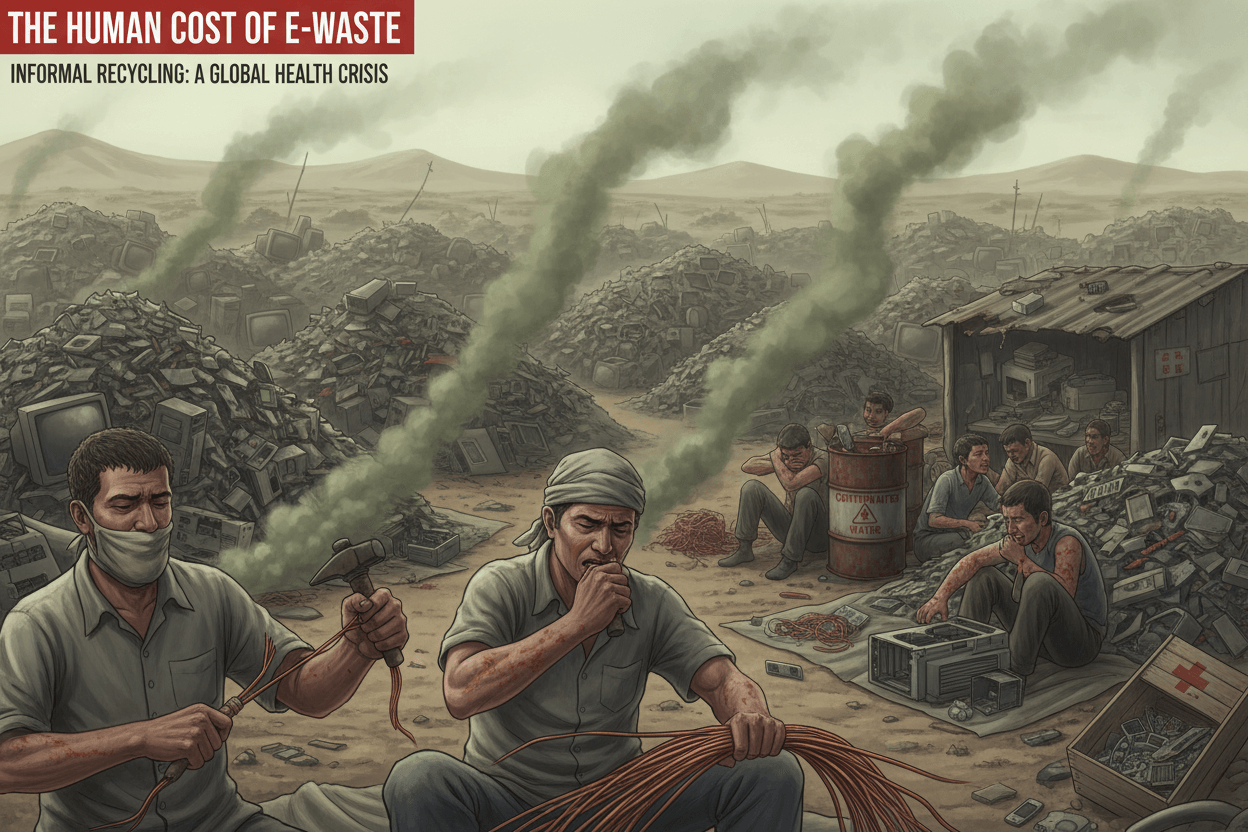
The rapid growth of technology has transformed the way we live, work, and communicate. Mobiles, laptops, and refurbished electronics have become an essential part of daily life, offering convenience and affordability to millions. However, behind this digital progress lies a growing environmental and human crisis—electronic waste (e-waste). When discarded mobiles, laptops, and refurbished devices are not managed properly, they often end up in informal recycling sectors. Here, workers dismantle e-waste under unsafe conditions, exposing themselves to severe health risks. This blog explores how e-waste harms workers in informal recycling sectors, focusing on the hidden dangers associated with mobiles, laptops, and refurbished electronics.
Understanding Informal E-Waste Recycling
Informal e-waste recycling refers to unregulated and unorganized methods of collecting, dismantling, and recovering valuable materials from discarded electronics. In many developing regions, mobiles, laptops, and refurbished electronics are manually broken down in small workshops, homes, or open dumping grounds.
Workers in these sectors often lack:
Protective equipment
Proper training
Legal safeguards
Health insurance
Despite these risks, informal recycling persists because it provides livelihoods to economically vulnerable populations. Unfortunately, the toxic exposure from e-waste makes this work extremely dangerous.
Toxic Materials in Mobiles and Laptops
Mobiles and laptops contain a complex mix of hazardous substances that pose serious health risks when handled improperly. Common toxic components include:
Lead: Found in circuit boards and glass screens
Mercury: Present in LCD screens
Cadmium: Used in batteries and semiconductors
Brominated flame retardants: Found in plastic casings
Arsenic and chromium: Used in microchips
When refurbished electronics are dismantled or burned to extract metals, these toxins are released into the air, soil, and water—directly impacting workers.
Health Risks Faced by Informal Recycling Workers
Respiratory Problems
Workers often burn cables and circuit boards from mobiles and laptops to extract copper. This releases toxic fumes that damage the lungs. Prolonged exposure can lead to:
Chronic bronchitis
Asthma
Reduced lung capacity
Increased risk of lung cancer
Without masks or ventilation, inhaling these fumes becomes unavoidable.
Neurological Disorders
Heavy metals like lead and mercury, commonly found in mobiles, laptops, and refurbished devices, directly affect the nervous system. Workers exposed to these toxins may experience:
Memory loss
Headaches
Tremors
Reduced cognitive ability
In severe cases, long-term exposure can cause permanent brain damage, particularly in young workers and children involved in informal recycling.
Skin and Eye Diseases
Manual dismantling of refurbished electronics exposes workers to sharp components and corrosive chemicals. Common issues include:
Skin rashes
Chemical burns
Chronic itching
Eye irritation and vision problems
Without gloves or eye protection, injuries are frequent and often untreated.
Reproductive and Developmental Harm
Exposure to toxic substances in mobiles and laptops can affect reproductive health. Studies have shown links between e-waste exposure and:
Infertility
Hormonal imbalances
Birth defects
Developmental delays in children
Women working in informal recycling sectors are especially vulnerable, as toxins can affect both maternal and fetal health.
Psychological and Social Impact on Workers
Beyond physical health, e-waste recycling takes a heavy psychological toll. Workers often face:
Long working hours
Low wages
Job insecurity
Social stigma
Children involved in dismantling mobiles and refurbished laptops are deprived of education, trapping families in a cycle of poverty and hazardous labor.
Environmental Contamination Worsens Worker Exposure
Improper recycling of mobiles, laptops, and refurbished electronics contaminates the surrounding environment. Toxic metals seep into:
Soil
Groundwater
Nearby food sources
Workers living near recycling sites face continuous exposure—even outside working hours—making recovery from health issues extremely difficult.
Why Refurbished Electronics Also Contribute to the Problem
While refurbished mobiles and laptops are often seen as eco-friendly, improper handling at the end of their life cycle can still add to e-waste. Devices that are:
Poorly refurbished
Imported illegally
Discarded without take-back programs
often end up in informal recycling markets, exposing workers to the same hazards as new e-waste.
Economic Pressures That Keep Workers Trapped
Many informal recycling workers depend on e-waste for survival. The demand for valuable metals like gold, copper, and aluminum from mobiles and laptops drives this sector. Key challenges include:
Lack of alternative employment
Absence of government regulation
Limited awareness of health risks
This economic dependence makes it difficult for workers to leave unsafe conditions.
The Role of Consumers and Brands
Consumers play a crucial role in reducing harm caused by e-waste from mobiles, laptops, and refurbished devices. Simple actions can make a significant difference:
Choosing authorized recycling centers
Supporting brands with take-back programs
Extending device lifespan through responsible use
Avoiding illegal refurbished electronics
Manufacturers must also invest in safer recycling systems and worker protection programs.
Solutions to Protect Informal Recycling Workers
Addressing the harm caused by e-waste requires collective action. Effective solutions include:
Formalizing recycling sectors
Providing safety gear and training
Enforcing strict e-waste laws
Promoting ethical refurbishment practices
Creating awareness about safe disposal
By transitioning informal workers into regulated systems, their health and livelihoods can be protected.
Conclusion
The growing demand for mobiles, laptops, and refurbished electronics has led to a silent crisis in informal e-waste recycling sectors. Workers handling discarded devices face severe health risks due to toxic exposure, unsafe working conditions, and environmental contamination. While refurbished electronics can support sustainability, improper disposal continues to endanger lives. Protecting these workers requires stronger regulations, responsible consumer behavior, and industry accountability. Addressing e-waste responsibly is not just an environmental necessity—it is a human rights imperative.
FAQs
Q.1. Why is e-waste dangerous for informal recycling workers?
E-waste contains toxic materials like lead, mercury, and cadmium that cause serious health problems when handled without protection.
Q.2. Which electronics are most harmful in informal recycling?
Mobiles, laptops, and refurbished electronics are highly harmful due to their complex components and heavy metal content.
Q.3. Do refurbished electronics reduce e-waste harm?
Refurbished devices help reduce waste, but improper disposal at the end of their life still contributes to worker exposure.
Q.4. Are children affected by informal e-waste recycling?
Yes, children are especially vulnerable to neurological and developmental damage caused by toxic exposure.
Q.5. How can consumers help reduce harm from e-waste?
Consumers can recycle responsibly, support ethical brands, and avoid illegal refurbished electronics.