Safe Electronics Recycling Creates Cleaner Spaces
Introduction
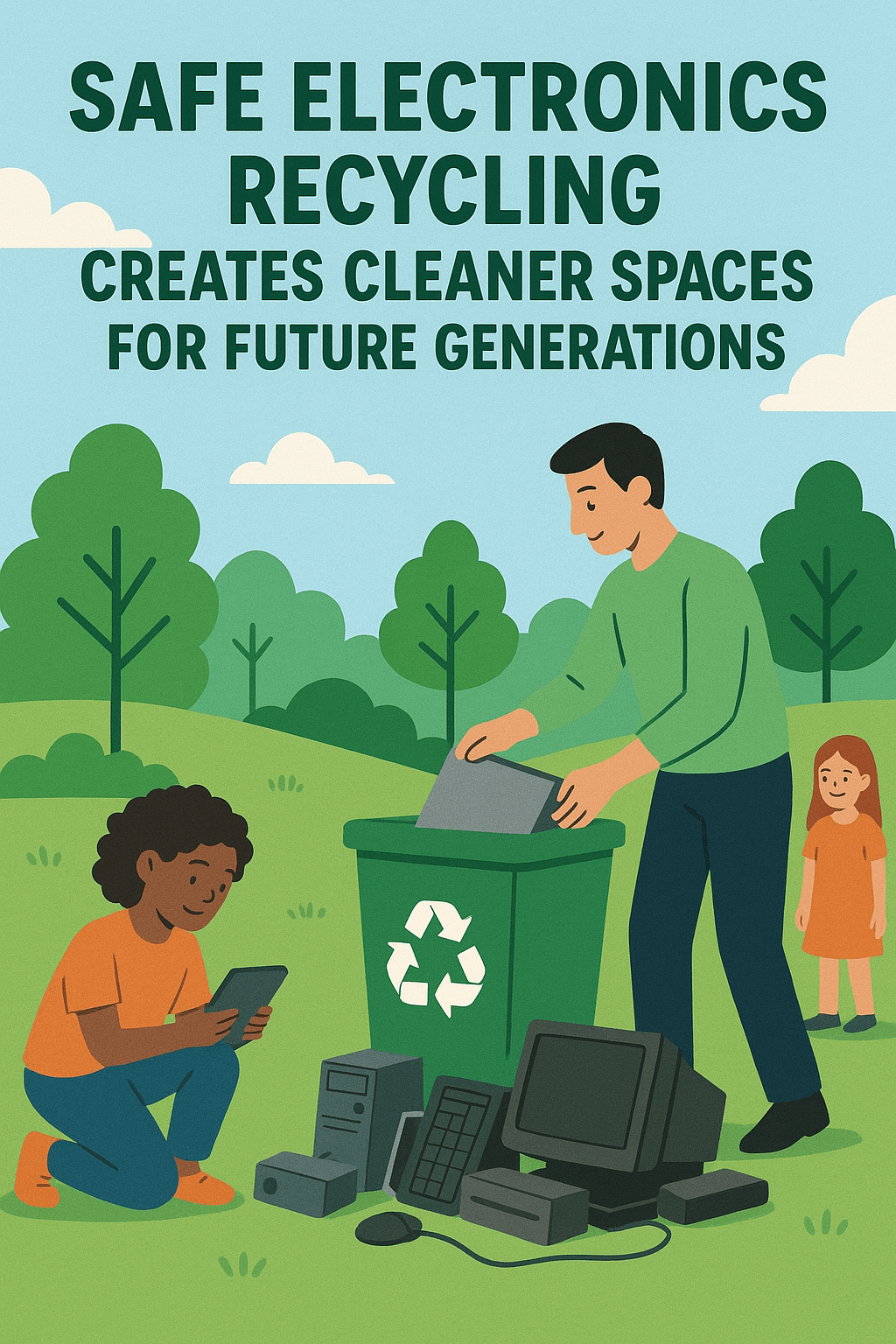
In today’s fast-paced digital world, electronic gadgets such as mobiles, laptops, and smartwatches have become essential tools for communication, productivity, and daily convenience. However, the rapid upgrade cycle of these devices also creates a growing environmental challenge—electronic waste (e-waste). The need for safe electronics recycling is now more important than ever. Proper recycling not only prevents environmental pollution but also ensures cleaner, healthier spaces for future generations. This blog explains why safe electronics recycling creates cleaner spaces, how it benefits communities, and what individuals can do to responsibly manage discarded devices.
Understanding the Rising Problem of E-Waste
The world generates millions of tons of electronic waste every year, and the number keeps rising as people replace old mobiles, laptops, and smartwatches more frequently than before. These devices contain plastics, heavy metals, chemicals, and non-biodegradable materials. When not disposed of properly, they end up in landfills, causing soil contamination, water pollution, and toxic air emissions. This is why safe electronics recycling creates cleaner spaces for future generations—it prevents harmful components from entering the environment.
E-waste also includes batteries that can leak toxic substances such as cadmium, lithium, and lead. Without safe disposal, these materials pose long-term contamination risks. With proper recycling, these harmful elements are safely extracted and processed. As a result, both natural ecosystems and human health remain protected.
Why Safe Electronics Recycling Matters
Recycling electronic devices helps reduce pollution, saves resources, and prevents environmental degradation. Mobiles and laptops contain valuable metals such as gold, copper, aluminum, palladium, and rare earth materials. By recycling these devices, manufacturers can reuse these metals, reducing the need for mining—which is often linked to deforestation and carbon emissions.
Safe recycling also ensures proper removal of hazardous materials from gadgets like old batteries, circuit boards, and screens. This is especially important for smartwatches and other wearable devices where tiny components contain complex materials. Through responsible recycling, we minimize risk to sanitation workers, reduce landfill waste, and contribute to a cleaner global future.
Environmental Benefits of Recycling Mobiles, Laptops & Watches
Every mobile phone or laptop thrown into a landfill releases harmful substances over time. Screens may contain mercury, batteries can release dangerous chemicals, and plastics take hundreds of years to break down. Safe recycling helps neutralize these risks by ensuring that each component is treated and handled properly.
Additionally, recycling saves energy. Manufacturing new electronic parts from raw materials consumes significantly more energy than processing recycled materials. By choosing safe recycling, we reduce carbon emissions and help fight climate change. These environmental benefits prove how safe electronics recycling creates cleaner spaces for the generations that will inherit our planet.
Health Benefits for Future Generations
Improper disposal of e-waste puts communities at risk of health problems such as respiratory issues, birth defects, neurological disorders, and long-term chronic illnesses. Toxic chemicals from improperly dumped electronics can contaminate water supplies and agricultural soil, affecting food systems.
Safe recycling eliminates the possibility of these pollutants entering the environment. Children, who are more vulnerable to chemical exposure, benefit greatly from pollution-free communities. By choosing responsible disposal methods, we directly safeguard the health of future generations.
Resource Recovery and Circular Economy
One of the biggest advantages of electronics recycling is the recovery of valuable raw materials that can be reused in new products. This supports the circular economy—an economic system where materials are reused, repaired, and recycled instead of discarded.
For example:
-
Old laptops contain metal frames and reusable wiring.
-
Mobiles include rare earth metals used in speakers and screens.
-
Smartwatches have tiny processors and batteries that can be remanufactured.
Recovering these materials reduces dependence on mining and decreases energy usage. This is another way safe electronics recycling creates cleaner spaces for future generations, as it leads to sustainable production practices.
Reducing Landfill Waste & Protecting Natural Habitats
Landfills across the world are overfilling due to increasing waste. When e-waste contributes to this overload, it takes up space that could have been used for biodegradable household waste. Electronics do not break down naturally, meaning they remain in landfills for decades or even centuries.
Safe recycling reduces the amount of waste reaching landfills, protecting natural habitats from being destroyed for new landfill sites. Reduced waste also means less soil contamination, cleaner groundwater, and lower risk of ecosystem damage. In the long run, recycling ensures cleaner oceans, rivers, and forests—creating a safer environment for animals and humans.
Role of Government Regulations and Community Programs
Many countries now enforce strict e-waste recycling rules, urging consumers to drop devices at certified centers. Government-approved recycling plants handle e-waste responsibly with advanced technologies.
Community programs also play a strong role. Local collection drives, school awareness sessions, and corporate sustainability initiatives motivate citizens to take part in safe recycling. Companies often provide trade-in offers where old devices are collected and recycled properly. These initiatives work collectively to maintain cleaner and healthier surroundings.
How Individuals Can Recycle Electronics Safely
Everyone can contribute to safe recycling, and the first step is understanding where to take your devices. Look for:
-
Authorized recycling centers
-
Mobile retail stores that accept trade-ins
-
E-waste collection bins
-
Government-approved e-recycling programs
Before handing over your device, always:
-
Back up important data
-
Remove SIM cards and memory cards
-
Perform a full factory reset
-
Wipe the device clean
By taking these small steps, consumers help ensure that their old mobiles, laptops, and watches are processed responsibly.
Benefits of Refurbishing & Reusing Electronics
Many devices that people discard are still functional with minor repairs. Refurbishing extends the life of electronics while reducing e-waste. Refurbished mobiles and laptops also make technology more affordable for communities.
Smartwatches, for instance, often only need a battery replacement or strap repair to extend their use. When we choose refurbished products, we support sustainability and reduce demand for new manufacturing. This contributes to cleaner surroundings by minimizing waste.
Making reuse a regular habit makes an enormous difference—less waste, fewer raw materials consumed, and a healthier environment.
Corporate Responsibility in Electronics Recycling
Leading tech companies increasingly focus on sustainability by collecting old devices and recycling them responsibly. Brands now design mobiles, laptops, and watches with recycled components, energy-efficient displays, and eco-friendly materials.
Manufacturers also run buyback programs where customers can return old gadgets in exchange for discounts on new ones. This improves recycling rates, reduces landfill waste, and motivates responsible consumer behavior. Such corporate actions show how businesses play a major role in ensuring safe electronics recycling creates cleaner spaces for everyone.
Why Recycling Electronics Builds a Greener Future
Every recycled mobile, laptop, or smartwatch contributes to a healthier environment. Recycling reduces pollution, saves resources, supports green jobs, and protects natural ecosystems. It encourages people to adopt sustainable habits and educates future generations about environmental responsibility.
Children growing up today deserve clean air, safe soil, and pollution-free surroundings. Recycling electronics ensures that harmful chemicals remain out of the environment. This simple act plays a powerful role in shaping a greener future for our planet.
Encouraging Future Generations Through Awareness
Spreading awareness about the importance of electronics recycling helps younger generations understand how their actions impact the planet. Teachers, parents, and communities can encourage children to treat old gadgets responsibly. Schools can run e-waste drives, recycling competitions, and awareness campaigns.
When children practice recycling early in life, they grow into environmentally responsible adults. This ensures long-term positive effects, making sure that safe electronics recycling creates cleaner spaces and healthier surroundings for decades to come.
Conclusion
Safe electronics recycling is essential for creating a cleaner, healthier planet for our children and the generations to come. With millions of mobiles, laptops, and smartwatches being discarded each year, choosing responsible disposal helps protect natural resources, reduce pollution, and support sustainable living. By adopting safe recycling habits, we prevent harmful chemicals from damaging the environment and ensure that communities remain clean and safe. Together, individuals, companies, and governments can build an eco-friendly future where technology grows without harming nature. Safe electronics recycling truly creates cleaner spaces for future generations.
FAQs
Q.1. Why is safe electronics recycling important?
It reduces pollution, protects natural resources, and keeps harmful chemicals out of the environment.
Q.2. Which devices can be recycled?
Mobiles, laptops, smartwatches, tablets, chargers, batteries, and other small electronics.
Q.3. How do I prepare my device for recycling?
Backup data, remove SIM/memory cards, and reset the device to factory settings.
Q.4. What happens to recycled electronics?
They are dismantled, valuable materials are recovered, and harmful components are safely processed.
Q.5. Does recycling help future generations?
Yes. It reduces toxic waste, prevents pollution, and creates cleaner spaces for future communities.