Environmental Cost of Cheap Electronics
Introduction
In today’s fast-paced digital world, affordable gadgets have become an essential part of everyday life. Smartphones, laptops, headphones, and smart home devices are cheaper and more accessible than ever before. While this affordability has helped bridge the digital divide, it has also created serious environmental challenges that often remain hidden from consumers. From excessive resource extraction to rising electronic waste, the true impact of low-cost devices is far greater than their price tags suggest. Understanding how mass-produced electronics affect the planet is critical for making more responsible purchasing and disposal decisions. This article explores how affordability, rapid consumption, and short product life cycles contribute to long-term environmental damage.
Resource Extraction and Manufacturing Impact
The Environmental Cost of Cheap Electronics begins long before a device reaches store shelves. The production of low-cost electronics relies heavily on the extraction of natural resources such as lithium, cobalt, copper, gold, and rare earth elements. These materials are mined intensively, often in environmentally sensitive regions, leading to deforestation, soil erosion, and water contamination. Mining operations consume vast amounts of energy and water, contributing significantly to carbon emissions and local ecological disruption.
Manufacturing cheap electronics also prioritizes speed and volume over sustainability. Factories often operate on fossil-fuel-based energy sources and release harmful chemicals into nearby air and water systems. To reduce production costs, manufacturers may use lower-quality components and minimal environmental safeguards. This approach not only increases pollution but also shortens product lifespan, ensuring that devices fail sooner and need replacement. As global demand for affordable electronics continues to rise, so does the strain on natural ecosystems that supply the raw materials required to produce them.
Short Product Lifecycles and Planned Obsolescence
A major contributor to The Environmental Cost of Cheap Electronics is the intentionally short lifespan of many devices. Low-cost electronics are often designed with limited durability, non-replaceable batteries, and outdated software support. This practice, commonly known as planned obsolescence, encourages consumers to replace devices frequently rather than repair them.
When devices stop functioning after just a few years, the demand for new products increases, driving further resource extraction and manufacturing emissions. Repairing cheap electronics is often impractical due to high service costs or lack of spare parts. As a result, consumers discard malfunctioning devices even when minor repairs could extend their usability. This cycle of frequent replacement accelerates waste generation and undermines efforts to build a circular economy where products are reused and recycled efficiently.
Electronic Waste and Disposal Challenges
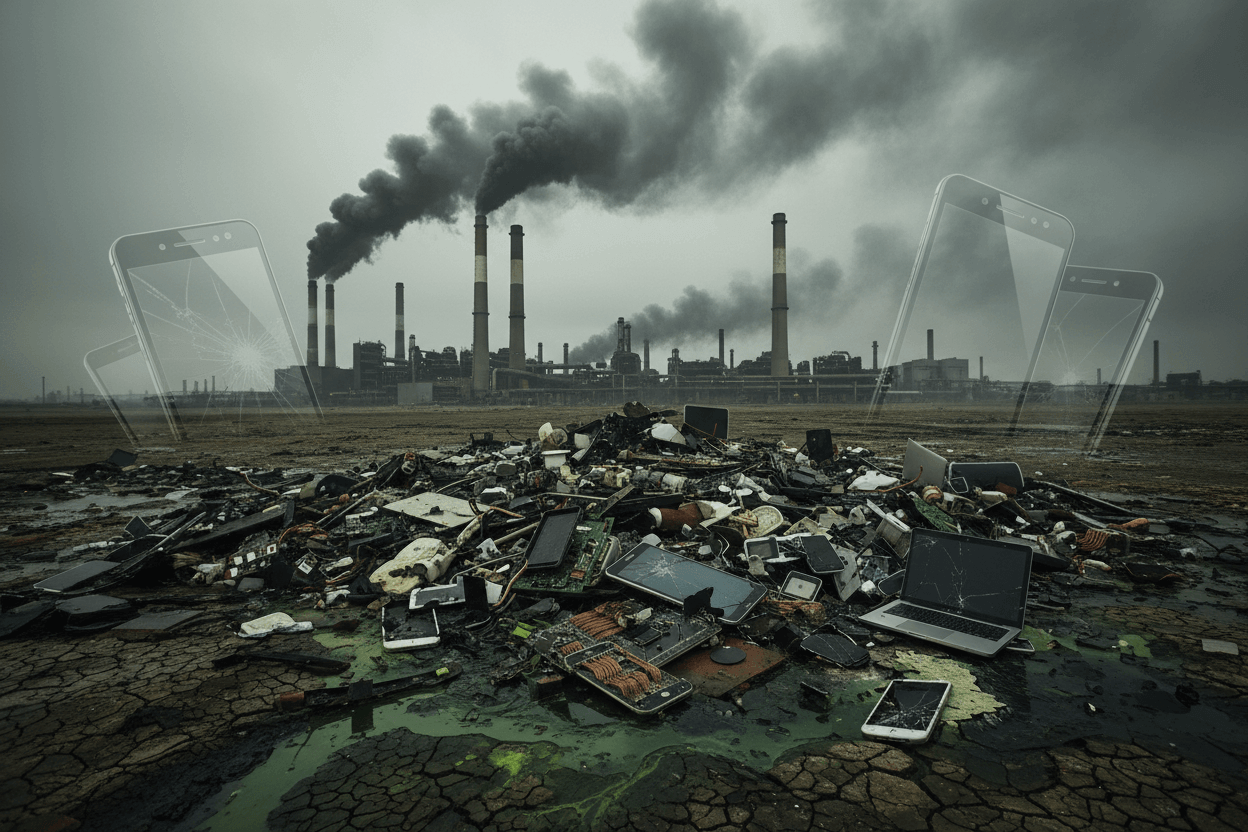
The growing volume of discarded devices highlights The Environmental Cost of Cheap Electronics in its most visible form: electronic waste, or e-waste. E-waste is one of the fastest-growing waste streams globally, containing toxic substances such as lead, mercury, cadmium, and brominated flame retardants. Improper disposal allows these toxins to leach into soil and groundwater, posing severe risks to ecosystems and human health.
In many developing countries, e-waste is processed informally through unsafe methods like open burning or acid stripping to recover valuable metals. These practices release toxic fumes and contaminate local environments, affecting workers and nearby communities. Despite the presence of recycling programs in some regions, only a small percentage of electronic waste is properly recycled. The affordability of devices ironically makes them more disposable, intensifying the environmental burden associated with their end-of-life stage.
Carbon Footprint and Global Emissions
Another critical dimension of The Environmental Cost of Cheap Electronics is their contribution to global carbon emissions. The electronics supply chain spans multiple continents, involving raw material extraction, component manufacturing, assembly, packaging, and transportation. Each stage generates greenhouse gases, adding to climate change.
Low-cost electronics are often shipped in massive quantities to meet global demand, increasing fuel consumption and emissions from freight transport. Additionally, inefficient manufacturing processes and energy-intensive data centers supporting device usage further raise the carbon footprint. While individual devices may consume little power, the cumulative impact of billions of cheap electronics in use worldwide is substantial. Without stricter environmental regulations and cleaner energy adoption, this sector will continue to be a significant contributor to global emissions.
Moving Toward Sustainable Electronics Consumption
Addressing The Environmental Cost of Cheap Electronics requires collective action from manufacturers, governments, and consumers. Companies can adopt eco-friendly design principles, such as modular components, recyclable materials, and longer software support. Governments can enforce stricter environmental standards, promote right-to-repair laws, and improve e-waste recycling infrastructure.
Consumers also play a vital role by choosing quality over price, extending device lifespan through proper care, and responsibly recycling old electronics. Supporting brands that prioritize sustainability and transparency can encourage industry-wide change. While cheap electronics offer short-term convenience, long-term environmental responsibility depends on mindful consumption and systemic reform.
Conclusion
Cheap electronics have transformed modern life, making technology accessible to millions. However, their low prices often hide significant environmental consequences. From resource depletion and pollution to rising e-waste and carbon emissions, the true cost is paid by the planet. Recognizing these impacts is the first step toward more sustainable choices. By valuing durability, repairability, and responsible disposal, society can reduce environmental harm while still benefiting from technological innovation. A shift toward sustainability ensures that future generations inherit a healthier planet, not the burden of today’s disposable technology culture.
FAQs
Q.1. Why are cheap electronics harmful to the environment?
They rely on intensive resource extraction, create more waste, and have shorter lifespans.
Q.2. What is e-waste?
E-waste refers to discarded electronic devices containing hazardous and valuable materials.
Q.3. How does planned obsolescence affect sustainability?
It forces frequent replacements, increasing waste and resource consumption.
Q.4. Can recycling electronics reduce environmental damage?
Yes, proper recycling recovers materials and prevents toxic pollution.
Q.5. How can consumers reduce their impact?
By buying durable devices, repairing instead of replacing, and recycling responsibly.