Turning e-waste into opportunity with smart recycling
Introduction
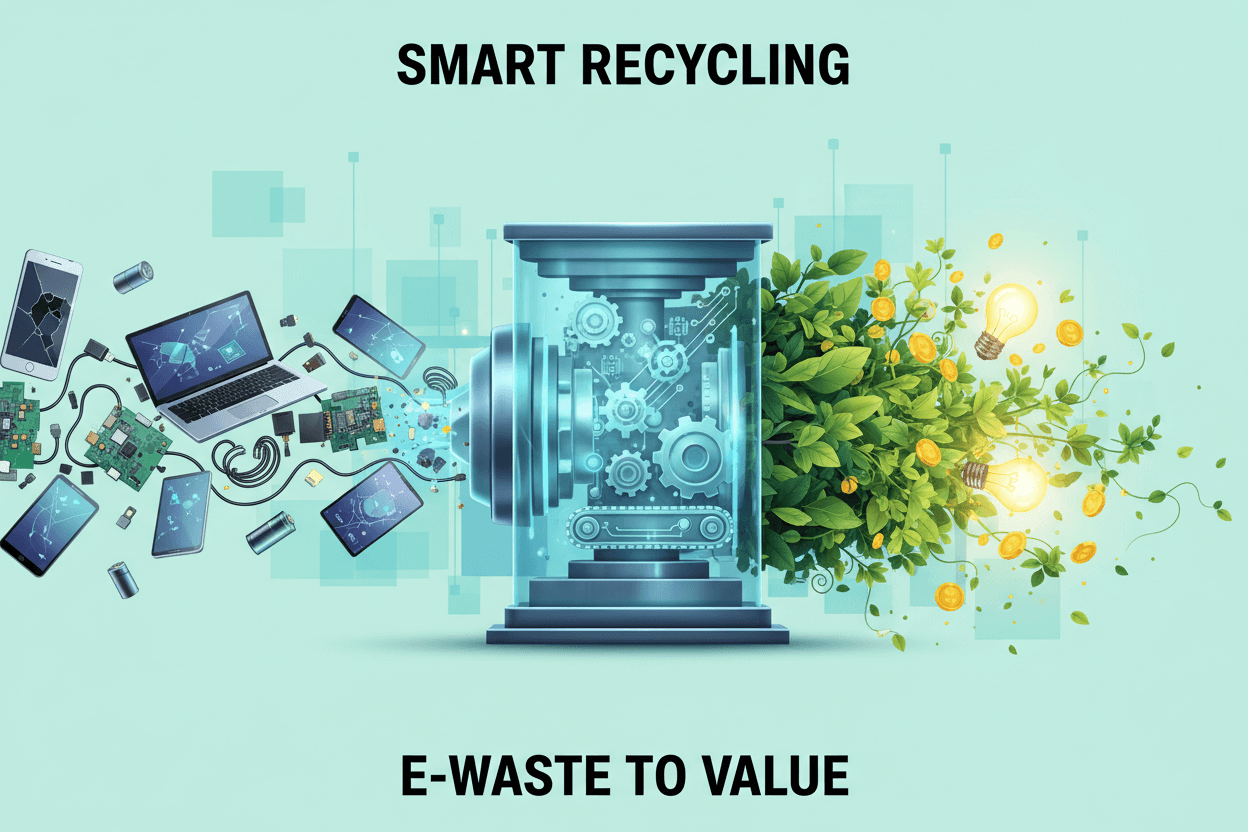
Turning e-waste into opportunity with smart recycling is no longer just an environmental concept—it is a growing global necessity. With rapid technological advancements, electronic devices are being replaced faster than ever, leading to an overwhelming rise in discarded gadgets. This surge in electronic waste presents both a challenge and a remarkable opportunity. By embracing turning e-waste into opportunity with smart recycling, individuals, businesses, and governments can transform discarded electronics into valuable resources while protecting the environment. This blog explores how turning e-waste into opportunity with smart recycling is reshaping industries, reducing pollution, and creating economic growth. Understanding this concept is essential for building a sustainable future where waste becomes wealth rather than a burden.
E-waste recycling has never been more urgent — or more full of potential. Every year, billions of discarded smartphones, laptops, and household electronics pile up in landfills, leaching toxins into soil and water. Yet inside that very same e-waste lies a fortune in recoverable gold, copper, lithium, and rare earth metals. Smart recycling isn't just about protecting the planet; it's a legitimate economic opportunity for individuals, businesses, and entire communities.
The gap between how much e-waste we generate and how little we formally recycle represents one of the largest untapped resource streams on earth. But closing that gap requires more than good intentions — it demands smarter systems, accessible drop-off infrastructure, consumer education, and profitable end markets for recovered materials. That's exactly where the concept of smart recycling comes in.
What makes recycling "smart"?
Traditional e-waste recycling was crude — devices were often shredded wholesale or shipped overseas, losing valuable components and spreading hazardous materials carelessly. Smart recycling, by contrast, uses data-driven sorting, modular disassembly, and certified processing to maximise material recovery while minimising environmental harm. It incorporates IoT sensors to track waste streams, AI-powered image recognition to classify devices on conveyor belts, and blockchain systems to verify responsible chain-of-custody for recovered metals.
For businesses, adopting smart e-waste recycling programmes also delivers reputational dividends. Extended Producer Responsibility (EPR) regulations are tightening in the EU, India, and across North America. Companies that build robust take-back and recycling systems now avoid compliance costs later — and gain a genuine competitive edge with environmentally conscious consumers.
The opportunity for individuals and entrepreneurs
E-waste recycling isn't just a corporate play. Individual consumers can recoup cash by selling old devices to certified refurbishers, using manufacturer trade-in programmes, or donating functioning electronics to extend their useful life. The refurbishment market — particularly for smartphones and laptops — is growing at over 10% annually and represents real income for micro-entrepreneurs who repair and resell devices locally.
In emerging markets, informal e-waste workers who already sort and process millions of tonnes of electronics each year represent an enormous workforce that smart recycling programmes can formalise, upskill, and connect to safer, better-paid jobs. Initiatives in Ghana, Nigeria, and India have demonstrated that with proper training and protective equipment, informal recyclers can transition into certified urban miners earning significantly more than they did previously.
Conclusion
Turning e-waste into opportunity with smart recycling is a powerful solution to one of the most pressing environmental challenges of our time. By transforming discarded electronics into valuable resources, this approach promotes sustainability, economic growth, and environmental protection. Embracing turning e-waste into opportunity with smart recycling requires collective effort from individuals, businesses, and governments. As awareness grows and technologies advance, the potential for turning e-waste into opportunity with smart recycling will continue to expand. By adopting responsible practices today, we can create a future where waste is minimized, resources are conserved, and opportunities are maximized for generations to come.
FAQs
Q.1. What is e-waste recycling?
E-waste recycling involves processing discarded electronic devices to recover valuable materials. It plays a key role in turning e-waste into opportunity with smart recycling by reducing waste and conserving resources.
Q.2. Why is smart recycling important?
Smart recycling uses advanced technologies to improve efficiency. It supports turning e-waste into opportunity with smart recycling by maximizing material recovery and minimizing environmental impact.
Q.3. How can I recycle my old electronics?
You can recycle electronics through certified recycling centers, donation programs, or trade-in options, contributing to turning e-waste into opportunity with smart recycling.
Q.4. What are the benefits of e-waste recycling?
Benefits include reduced pollution, resource conservation, and economic growth, all of which are part of turning e-waste into opportunity with smart recycling.
Q.5. Can e-waste recycling create jobs?
Yes, turning e-waste into opportunity with smart recycling generates employment in collection, processing, refurbishment, and resale sectors.