Cheap Electronics Production Is Costing the Environment Dearly
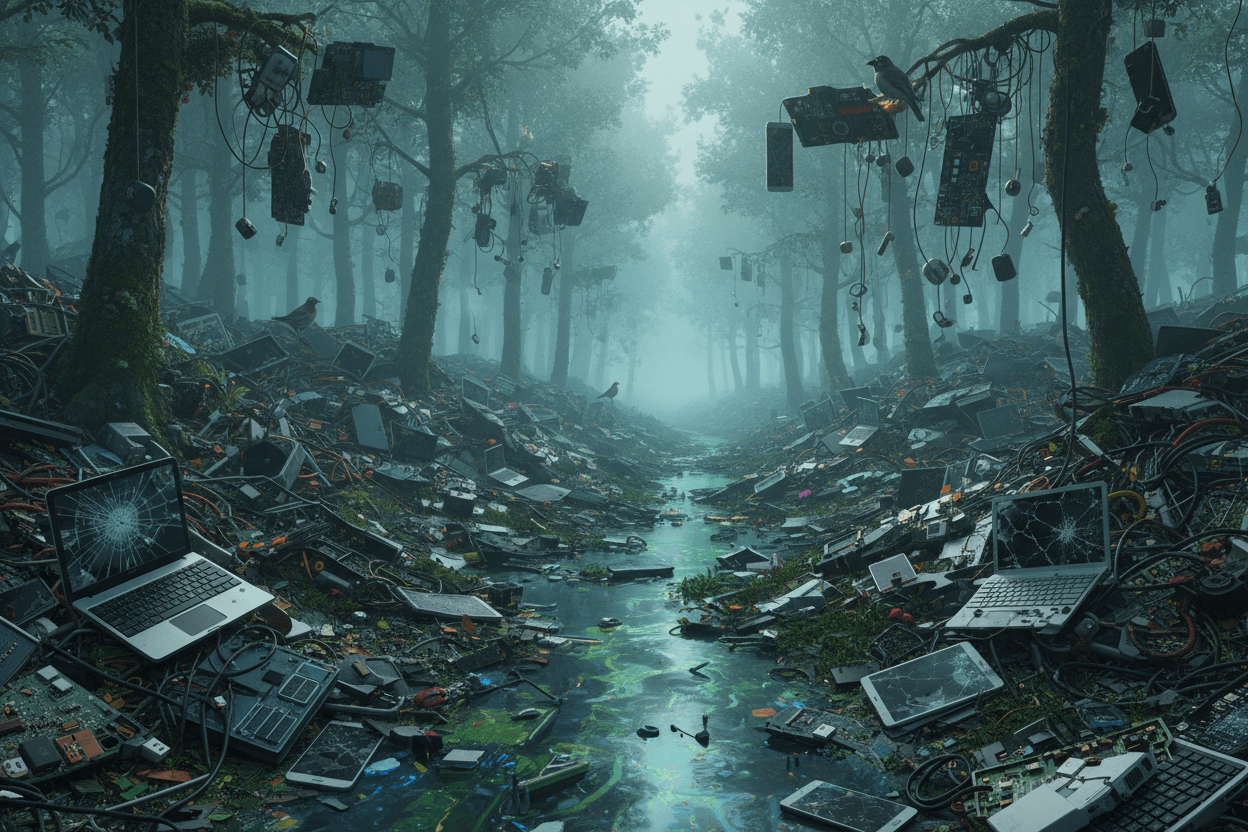
Introduction : Cheap Electronics
The global demand for affordable smartphones, laptops, and electronic gadgets has skyrocketed over the past decade. Consumers love low prices, frequent upgrades, and feature-packed devices, but very few stop to consider the hidden environmental cost behind these bargains. From excessive mining of rare earth materials to massive e-waste generation, the electronics industry is quietly becoming one of the most environmentally damaging sectors in the world. As manufacturers race to cut costs and speed up production, sustainability often takes a back seat. This article explores how low-cost electronics manufacturing is harming the planet and why urgent changes are needed to protect our environment.
The Environmental Cost of Cheap Electronics Manufacturing
Cheap Electronics Production Is Costing the Environment Dearly, especially as smartphones and laptops are produced at an unprecedented scale using resource-intensive processes. To keep prices low, manufacturers rely on mass extraction of raw materials such as lithium, cobalt, copper, and rare earth elements. Mining these materials leads to deforestation, water contamination, soil erosion, and loss of biodiversity.
In many developing countries, mining operations operate with weak environmental regulations. Toxic chemicals seep into nearby rivers, harming ecosystems and local communities. Forests are cleared to make way for mines, reducing the planet’s ability to absorb carbon dioxide. As demand for budget electronics rises, the pressure on natural resources intensifies, creating long-term ecological damage that far outweighs short-term consumer savings.
Energy-Intensive Factories and Carbon Emissions
Electronics manufacturing requires enormous amounts of energy, particularly during chip fabrication, screen production, and battery assembly. Most low-cost electronics are produced in regions where factories rely heavily on fossil fuels such as coal. This results in high greenhouse gas emissions that contribute directly to climate change.
When companies prioritize cheaper production over clean energy investments, environmental responsibility is often ignored. Factories running 24/7 to meet global demand release massive amounts of carbon dioxide into the atmosphere. Over time, this unchecked energy consumption accelerates global warming, extreme weather events, and rising sea levels. The true environmental price of cheap electronics becomes evident when these long-term consequences are taken into account.
Short Product Lifecycles and Planned Obsolescence
One of the biggest issues linked to low-cost electronics is their short lifespan. Budget smartphones and laptops are often designed with cheaper components that wear out quickly. Software updates slow older devices, batteries degrade faster, and repairs are made intentionally difficult or expensive.
This practice, commonly known as planned obsolescence, pushes consumers to replace devices more frequently. As a result, millions of electronics are discarded each year, many of which could have been used longer if built with durability in mind. This constant cycle of buying and discarding fuels environmental damage and increases global waste levels.
The Growing Crisis of Electronic Waste
Cheap Electronics Production Is Costing the Environment Dearly through the massive rise of electronic waste, or e-waste. Old phones, laptops, chargers, and accessories are often dumped in landfills or shipped to developing nations for informal recycling. These devices contain hazardous substances such as lead, mercury, cadmium, and brominated flame retardants.
When e-waste is improperly handled, toxic chemicals leak into soil and groundwater, posing serious health risks to humans and wildlife. Informal recycling methods, such as burning cables to extract copper, release poisonous fumes into the air. The environmental and social costs of e-waste recycling are disproportionately borne by vulnerable communities, making cheap electronics a global justice issue as well.
Water Pollution and Chemical Waste
Water is heavily used in electronics manufacturing, particularly in semiconductor production. Large volumes of water are required to clean components and cool machinery. Unfortunately, wastewater often contains harmful chemicals that are discharged into rivers and lakes.
In regions with poor environmental oversight, untreated or poorly treated wastewater contaminates local water sources. This affects agriculture, drinking water supplies, and aquatic life. Over time, polluted waterways become biologically dead zones. While consumers enjoy low-priced gadgets, ecosystems silently suffer the consequences of industrial water pollution.
Human Cost Behind Low-Cost Electronics
Environmental damage is closely tied to human exploitation. Many electronics factories operate in countries with low labor costs and weak worker protections. Employees may work long hours in unsafe conditions, exposed to harmful chemicals without proper safety equipment.
Communities living near factories and mining sites often experience higher rates of respiratory illness, skin diseases, and water-borne infections. The environmental harm caused by cheap electronics production directly affects human health and quality of life, creating a cycle of poverty and pollution that is difficult to break.
Why Sustainability Is Often Ignored
Sustainable manufacturing requires investment in cleaner energy, safer materials, and better waste management systems. These changes increase production costs, which contradicts the goal of producing the cheapest possible devices. As a result, sustainability initiatives are frequently treated as optional rather than essential.
Consumers also play a role by prioritizing low prices over ethical and environmental considerations. Without strong demand for eco-friendly electronics, many companies feel little pressure to change their practices. This lack of accountability allows environmental damage to continue unchecked.
Steps Toward a Greener Electronics Industry
Cheap Electronics Production Is Costing the Environment Dearly, but the situation is not irreversible. Manufacturers can adopt sustainable practices such as using recycled materials, investing in renewable energy, and designing products that last longer and are easier to repair. Governments can enforce stricter environmental regulations and promote responsible recycling programs.
Consumers can also make a difference by choosing durable devices, repairing electronics instead of replacing them, and recycling old gadgets through certified programs. Supporting brands that prioritize sustainability sends a powerful message to the industry that environmental responsibility matters.
Conclusion
The hidden environmental cost of low-priced smartphones and laptops is far greater than most consumers realize. From resource depletion and carbon emissions to toxic e-waste and water pollution, the damage caused by unsustainable electronics production is severe and long-lasting. While affordable technology has improved access and connectivity worldwide, it should not come at the expense of the planet. Addressing this issue requires collective action from manufacturers, governments, and consumers alike. By demanding more sustainable practices, we can reduce environmental harm and ensure that technological progress does not destroy the very world it aims to improve.
FAQs
Q.1. Why is cheap electronics production harmful to the environment?
It leads to excessive mining, pollution, high carbon emissions, and massive e-waste generation.
Q.2. What is e-waste and why is it dangerous?
E-waste is discarded electronic devices that release toxic chemicals into soil, water, and air.
Q.3. Do cheap smartphones and laptops have shorter lifespans?
Yes, they often use low-quality components and are designed for frequent replacement.
Q.4. How can consumers reduce environmental damage?
By buying durable devices, repairing electronics, and recycling responsibly.
Q.5. Can the electronics industry become more sustainable?
Yes, through cleaner energy, recycled materials, longer-lasting designs, and stricter regulations.