Sustainable E-Waste Recycling for a Greener Tomorrow
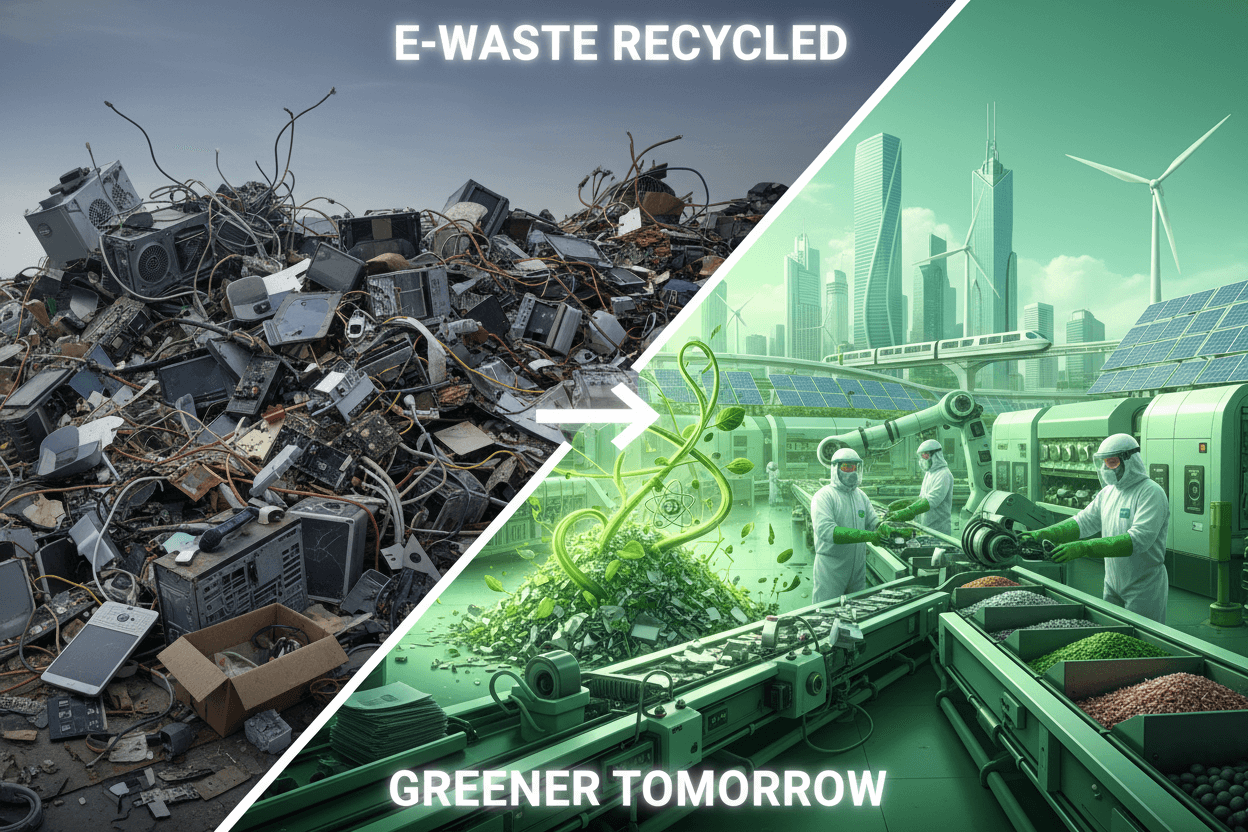
Introduction : Sustainable E-Waste Recycling
In today’s fast-paced digital world, mobiles and laptops have become essential parts of daily life. From communication and work to education and entertainment, these devices power modern society. However, rapid technological advancement also means faster device replacement, leading to a massive rise in electronic waste (e-waste). According to global estimates, millions of tons of discarded mobiles and laptops are generated every year, making e-waste one of the fastest-growing waste streams worldwide. Sustainable e-waste recycling is no longer optional—it is a necessity for protecting the environment, conserving resources, and ensuring a greener tomorrow.
What Is E-Waste and Why It Matters
E-waste refers to discarded electronic devices such as smartphones, laptops, tablets, chargers, and accessories that are no longer in use. While these devices appear harmless, they contain a complex mix of valuable materials and hazardous substances.
Mobiles and laptops are made from precious metals like gold, silver, copper, and rare earth elements, along with toxic components such as lead, mercury, cadmium, and lithium batteries. When e-waste is improperly disposed of in landfills or through open burning, these toxins seep into soil, water, and air, posing serious risks to human health and ecosystems.
Sustainable e-waste recycling ensures that harmful substances are safely handled while valuable materials are recovered and reused, reducing the need for fresh mining and minimizing environmental damage.
The Growing Problem of Mobile and Laptop E-Waste
The average lifespan of a smartphone is now just 2–3 years, while laptops are often replaced within 4–5 years due to performance upgrades or battery degradation. With billions of users globally, this short lifecycle results in an enormous volume of discarded devices.
Key reasons for rising e-waste include:
Frequent product launches and upgrades
Limited repairability of modern devices
Consumer preference for new models
Lack of awareness about proper recycling
Without sustainable recycling systems, outdated mobiles and laptops often end up in landfills or informal recycling sectors, where unsafe practices harm workers and the environment.
Environmental Impact of Improper E-Waste Disposal
Improper disposal of mobiles and laptops has long-term environmental consequences:
Soil and Water Pollution
Heavy metals from circuit boards and batteries leach into the soil, contaminating groundwater and agricultural land. This pollution affects crops, animals, and ultimately human food sources.
Air Pollution
Burning electronic components releases toxic fumes, including dioxins and furans, which contribute to respiratory diseases and climate change.
Resource Depletion
When valuable metals are discarded instead of recycled, more mining is required. Mining consumes energy, destroys habitats, and increases carbon emissions.
Sustainable e-waste recycling directly addresses these issues by safely processing electronics and reducing environmental strain.
Benefits of Sustainable E-Waste Recycling
1. Conservation of Natural Resources
Recycling mobiles and laptops recovers precious metals that can be reused in new devices. This reduces dependence on mining and preserves limited natural resources.
2. Reduced Environmental Pollution
Certified recycling facilities follow strict environmental standards, preventing toxins from entering ecosystems.
3. Energy Savings
Producing metals from recycled materials uses significantly less energy compared to extracting them from raw ores.
4. Economic Opportunities
The e-waste recycling industry creates jobs in collection, refurbishment, dismantling, and material recovery, supporting a circular economy.
5. Climate Change Mitigation
Lower energy consumption and reduced mining activities help cut greenhouse gas emissions, supporting global sustainability goals.
How Sustainable E-Waste Recycling Works
Sustainable recycling of mobiles and laptops follows a structured and responsible process:
Collection – Devices are collected through authorized drop-off centers, take-back programs, or retailer initiatives.
Data Destruction – Personal data is securely erased to protect user privacy.
Dismantling – Devices are manually or mechanically dismantled into components like screens, batteries, and circuit boards.
Material Recovery – Valuable metals and plastics are extracted and refined for reuse.
Safe Disposal – Hazardous materials that cannot be recycled are disposed of in environmentally safe ways.
This process ensures minimal environmental impact while maximizing resource recovery.
Role of Consumers in E-Waste Sustainability
Consumers play a crucial role in promoting sustainable e-waste recycling for mobiles and laptops. Small actions can make a big difference:
Extend device lifespan by repairing instead of replacing
Donate or resell working devices to reduce waste
Use authorized recycling centers instead of dumping electronics
Avoid hoarding old gadgets at home
Choose brands that support recycling and eco-friendly design
Awareness and responsible behavior are key to reducing the e-waste burden.
Corporate Responsibility
Extended Producer Responsibility (EPR)
Many countries are implementing EPR policies that make manufacturers responsible for collecting and recycling old devices. This encourages eco-friendly product design and proper waste management.
Green Design and Innovation
Companies are increasingly focusing on:
Modular designs for easier repair
Reduced use of hazardous substances
Improved battery recyclability
E-Waste Recycling and the Circular Economy
Sustainable e-waste recycling supports a circular economy, where products and materials are reused, repaired, refurbished, and recycled instead of being discarded. In this system:
Old mobiles become raw materials for new devices
Laptops are refurbished for second-life usage
Waste is minimized, and value is retained
This approach not only protects the environment but also makes technology more affordable and accessible.
Future of Sustainable E-Waste Recycling
The future of e-waste recycling lies in innovation, collaboration, and awareness. Advanced recycling technologies, AI-based sorting, and improved material recovery methods are making recycling more efficient than ever.
As consumers, businesses, and governments work together, sustainable e-waste recycling can significantly reduce environmental damage while supporting economic growth. Choosing responsible disposal today ensures cleaner air, healthier ecosystems, and a greener tomorrow for future generations.
Conclusion
The rapid growth of mobiles and laptops has brought convenience and connectivity, but it has also created a serious e-waste challenge. Sustainable e-waste recycling is the most effective solution to manage this growing problem responsibly. By recycling electronics properly, conserving resources, reducing pollution, and supporting a circular economy, we can transform e-waste from an environmental threat into an opportunity for sustainability. Every device recycled is a step closer to a cleaner planet and a more sustainable future.
FAQs
Q.1. What is e-waste recycling?
E-waste recycling is the safe processing of discarded electronic devices to recover valuable materials and prevent environmental harm.
Q.2. Why is e-waste recycling important for mobiles and laptops?
These devices contain toxic substances and precious metals that must be safely handled and reused.
Q.3. Can old laptops and mobiles be reused?
Yes, working devices can be refurbished, donated, or resold for extended use.
Q.4. What happens if e-waste is not recycled properly?
It causes soil, water, and air pollution and poses serious health risks.
Q.5. How can individuals support sustainable e-waste recycling?
By using authorized recyclers, extending device life, and avoiding improper disposal.